Father’s Day and the Legacy Fathers Leave Behind
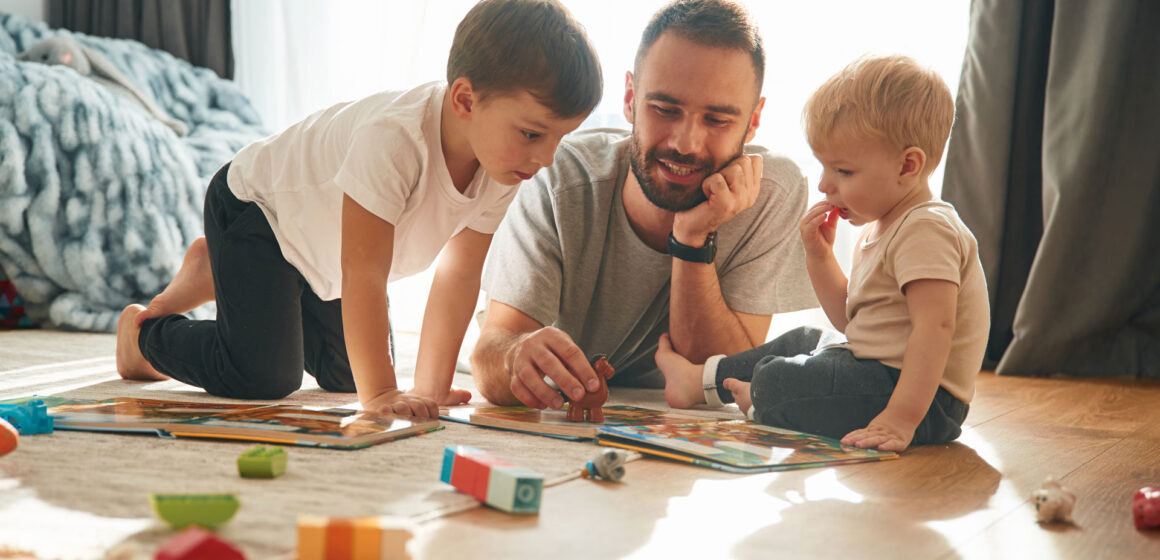
“Happy Father’s Day” sounds great.
And yes — dads deserve to be celebrated.
But anyone who knows me knows I’m not exactly the “generic greeting card” type.
So instead of writing some fluffy post about grilling steaks, cargo shorts, and dads falling asleep in recliners… I want to talk about something deeper.
And before I even start, let me say this clearly:
Not all moms and dads are married.
Not all relationships worked out.
Not all pregnancies were planned.
Not all homes stayed together.
Some relationships are still intact and thriving.
Some are struggling quietly behind closed doors.
Some people are divorced.
Some are separated.
Some never dated long-term to begin with.
Some are co-parenting well.
Some can barely stand each other.
That is real life.
But once a child enters the picture, the relationship between two adults becomes bigger than just the two adults.
Because now there is a little person watching both of you learn how to handle love, conflict, disappointment, stress, respect, anger, and responsibility.
And whether people like hearing this or not — kids are deeply shaped by what they watch between their parents.
Because the truth is — I believe most fathers genuinely want to be good dads.
I really do.
I don’t think most men wake up and think: “How can I screw my kids up today?”
I think most fathers love their children deeply.
The problem?
Many men were never actually taught how to father emotionally.
They were taught:
- provide
- work
- push through
- stay tough
- don’t cry
- don’t talk about feelings
- don’t look weak
- discipline the kids
- pay the bills
But nobody really taught them:
- how to emotionally connect with a child
- how to regulate themselves during conflict
- how to speak to a child without shame or intimidation
- how to make a daughter feel emotionally safe
- how to teach a son strength without anger
- how to respect the mother of their children even when the relationship falls apart
And that matters.
Because children are not only listening to fathers.
They are studying them.
Every single day.
The Greatest Thing a Dad Can Do for His Kids? Respect Their Mother
You do not have to love her anymore. You do not have to agree with her.
But your children are deeply affected by how you treat her.
And before some of you roll your eyes at that statement, remember something:
At one point… you liked this woman.
Maybe for a minute..or a few,
Maybe for years.
Maybe you were married twenty years.
Maybe you were young and dumb.
Maybe it was a one-night stand that turned into parenthood. Maybe the relationship blew up.
Maybe both of you hurt each other.
But at some point, there was enough connection there to create a child.
And now that child is watching how the two of you handle each other.
That matters.
I think some fathers forget that once the relationship ends, the history suddenly gets rewritten in their head.
Now suddenly:
- she was always crazy – nut case
- always dramatic – chaos
- always difficult
- always the problem
Sadly, they may be true.
Meanwhile your child is sitting there thinking: “That’s my mom.”
Kids internalize this stuff.
Especially young children.
When a father constantly tears the mother down, throws sarcasm her way, rolls his eyes, gets little jabs in under his breath, says things behind her back, criticizes her decisions to the kids, goes against her already established “no” answer just to be the favorite parent, or stays silent while the kids disrespect her, children absorb every bit of it.
Even when you think they are not listening.
Even when you think:
“I didn’t say it directly to them.”
They feel it.
Kids are emotional sponges.
They pick up tension, resentment, disrespect, and instability long before adults realize it.
And over time, those “small comments” stop feeling small to a child.
They become part of the emotional environment the child lives in.
And dads need to understand something else that creates major damage after separation or divorce:
Going against Mom’s “no” just to be the favorite parent is not healthy parenting.
If Mom already said no, and Dad immediately swoops in with:
- “Your mom is ridiculous.”
- “Fine, I’ll allow it.”
- “Don’t tell your mom.”
- “She overreacts.”
- “Your mom is too strict.”
…you are not creating a connection with your child.
And to the fathers who do respect the mother of their children — and make sure their kids respect her too — good for you.
That matters.
Especially when life gets stressful, relationships get complicated, or resentment builds.
Some of the best fathers are the ones who calmly step in and say: “You will not speak to your mother that way.”
That is leadership. And kids remember it.
Sometimes the strongest thing a father can say is: “Your mom already answered you.”
Not because she is perfect.
Not because you always agree.
But because children need stability more than they need parents trying to win.
And yes — mothers can absolutely do this to fathers too.
But because this is Father’s Day, I’m talking to dads.
You do not have to become best friends with her.
You do not have to pretend the relationship was healthy if it wasn’t.
But maturity looks like:
- controlling your mouth in front of your kids
- not using your child as emotional leverage
- not making your children carry your resentment
- understanding your child deserves peace more than you deserve the last word
Your children should not have to emotionally recover from the adults who were supposed to make them feel safe.
And let’s be real for a minute.
Sometimes Mom may actually be difficult.
Sometimes she may be emotionally reactive, irrational, inconsistent, explosive, immature, manipulative, controlling, chaotic, or exhausting to deal with.
Some fathers are sitting there thinking: “You don’t understand what I deal with.”
Maybe I do.
This is not me saying you blindly agree with everything Mom says or does.
This is not me saying children should never learn discernment, boundaries, accountability, or truth.
Kids absolutely need guidance.
They need fathers who teach wisdom, emotional regulation, critical thinking, boundaries, and healthy behavior.
But there is a massive difference between:
- teaching your child healthy perspective and
- emotionally dumping your adult resentment onto them
There is a difference between:
- calmly helping your child understand a situation and
- constantly painting their mother as unstable, crazy, nuts, impossible, dramatic, or worthless
Because kids are not emotionally equipped to carry adult relational baggage.
And honestly? Some of the strongest fathers are the ones who can deal with a difficult co-parent without turning their child into the emotional battlefield.
That takes restraint.
That takes maturity.
That takes emotional control.
Sometimes leadership looks like:
- staying calm
- refusing to escalate
- setting boundaries privately
- documenting things appropriately
- protecting your peace
- protecting your child emotionally
- teaching your child stability instead of chaos
Your child does not need a father who turns them against their mother.
They need a father who teaches them how to handle difficult people without losing themselves in the process.
Final Thought
One day your daughter is going to sit across from a man and decide what she is willing to tolerate.
One day your son is going to become a husband, partner, or father and repeat what felt normal growing up.
And whether Mom and Dad stayed together, divorced, separated, never married, or barely spoke after the relationship ended… a huge part of that foundation still starts with what they watched between the two of you.
Kids remember the tension.
They remember the silence.
They remember the screaming.
They remember the sarcasm.
They remember who protected them emotionally.
They remember who made them feel safe.
They remember whether home — or even two separate homes — felt calm… or like they had to constantly brace themselves.
And they also remember the good.
They remember the dad who showed up.
The dad who stayed steady.
The dad who controlled himself when he could have exploded.
The dad who respected their mother even when life got hard or the relationship ended.
The dad who protected peace inside two separate homes.
The dad who did not trash their absent mother to make himself look better.
The dad who stayed emotionally present even when parenting got lonely, exhausting, unfair, or painful.
The dad who made them feel important, protected, wanted, and loved.
That becomes part of their blueprint for life.
So this Father’s Day is not really about being the perfect dad.
It is about asking yourself:
“What kind of legacy am I leaving behind in my child?”
Because long after the gifts are gone, the cookouts are over, the custody schedules change, and the social media posts disappear…your child will still carry the emotional experience of being raised by you.
Speaking Truth,

MS, CCDS, CRT, CCDS, CLC | Life Coach & Counselor